How Marketing Should Work Throughout the Entire Customer Journey
Most B2B marketing looks busy on the surface. Emails are going out, blogs are getting published, and the website gets updated here and there. But when you step back, a lot of it feels disconnected.
Buyers are doing their own research, revisiting your site multiple times, and forming opinions long before they ever reach out. If your marketing is not aligned with that process, you are not really influencing the decision. You are reacting to it after the fact.
Customer journey marketing changes that. It gives structure to how your marketing shows up at each stage, so every interaction builds on the last and helps move someone closer to a decision.
What Is Customer Journey Marketing?
Customer journey marketing is about aligning your marketing with how people actually buy.
Instead of thinking in campaigns or channels, it focuses on the full experience. What someone sees first, what they look for next, and what ultimately helps them decide to reach out.
Because buyers are not making decisions in one step. They are researching, comparing options, revisiting your site, and often looping in other people before anything moves forward.
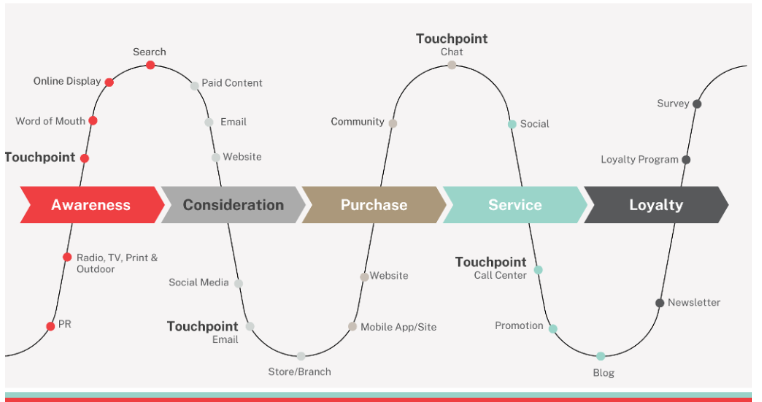
According to Harvard Business School, customers now interact with multiple touchpoints throughout their journey rather than relying on a single channel. That shift makes consistency across your marketing more important than ever. When everything feels connected, it builds trust. When it does not, it creates hesitation.
Building Awareness the Right Way
At the beginning of the journey, buyers are not looking for a provider yet. They are trying to understand what is going on.
They might not know the right terminology or even what kind of solution they need. They just know something is not working the way it should, and they are looking for clarity.
This is where strong marketing creates visibility.
Content that answers real questions, explains common challenges, and gives practical insight helps you show up early in the process (before a buyer has even decided to reach out). It positions your company as a resource instead of just another option.
A few ways this typically shows up:
- Blog content that answers common questions
- SEO pages that help you get found in search
- Simple, clear explanations of your services and industries
Many B2B buyers are doing a significant amount of research before ever reaching out. If you are not showing up during that stage, you are likely not being considered later on.
Guiding Buyers Through the Consideration Stage
Once buyers understand their problem, they start looking more closely at solutions.
This is where your marketing needs to shift. The questions change, and your content needs to reflect that. Buyers want to understand their options, what works best in situations like theirs, and what they should expect from a provider.
Your job is to help them sort through that information in a way that feels clear and useful (not overwhelming).
What helps most at this stage:
- Case studies that show real results
- Service pages that clearly explain what you do
- Content that compares options or answers “what should I choose?”
Case studies, service pages, and comparison-style content give buyers a better sense of what working with you actually looks like. Instead of leaving them to connect the dots on their own, you are helping them evaluate their options with more confidence.
When this stage is done well, it builds trust and often shortens the sales process.
How to Turn Interest Into Action
As buyers get closer to a decision, the details start to matter more.
They are comparing providers, reviewing your website more carefully, and looking for reasons to move forward or hold back. This is where small gaps in your marketing can slow things down.
If your messaging is unclear or your next steps are hard to find, momentum drops.
Strong customer journey marketing removes that friction. Clear calls to action, straightforward service pages, and real proof points make it easier for someone to take the next step (without second guessing it).
Even small improvements here can make a measurable difference. Clear calls to action have been shown to significantly increase click-through rates, which directly impacts how many prospects move forward.
At this stage, clarity matters more than anything else.
The Overlooked Stage: After the Sale
The customer journey does not end when the deal is closed. In many cases, this is where long-term value is built.
Consistent communication, helpful follow-up, and ongoing touchpoints reinforce the decision your customer just made. It also creates opportunities for additional services, referrals, and stronger relationships over time.
This is where the idea of “clients for life” comes into play (something we focus on heavily at RED66). It is not just about retention. It is about continuing to deliver value and staying connected long after the initial sale.
Customer journey marketing includes this stage because growth does not just come from new leads. It comes from keeping and expanding the customers you already have.
Bringing It All Together
When your marketing is aligned across the full customer journey, everything starts to feel more intentional.
- Your content answers the right questions
- Your website supports real decisions
- Your messaging stays consistent from start to finish
Instead of disconnected tactics, you have a system that works together to move people forward.
That is what separates marketing that feels busy from marketing that actually drives results.
Build a Strategy That Supports the Full Journey
At RED66 Marketing, we help B2B companies build marketing that aligns with how their customers actually buy. From getting found to closing deals to staying top of mind after the sale, every piece is built to support the next step.
When your marketing reflects the full customer journey, it does more than generate leads. It helps you win and keep the right customers.
If you’re not sure where your marketing is falling short or how to better support the full customer journey, we can help. The most effective strategies are built with intention, consistency, and a clear understanding of how buyers actually move from first touch to final decision.